Mahdi Ahmed

Scripting waves of imagination from the sunny side of the Maldives.

Posts tagged ‘Review’

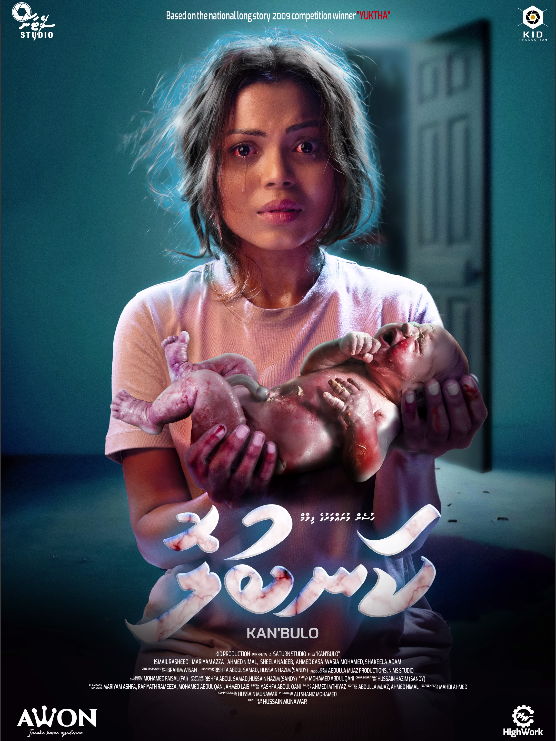
KAN’BULO – TRUTH TOLD WITH TENDER BRUTALITY

There are films that entertain, films that inspire, and then there are films like Kan’bulo — films that confront. Films that hold your gaze and refuse to blink first. Directed by Hussain Munawwaru, Kan’bulo is not a safe film. It’s a brave, emotionally volatile narrative that pulses with truth — sometimes uncomfortable, often heartbreaking, and always deeply human.

The story traces back to Yuktha, the award-winning long story by Yashfa Abdul Qani. Her delicate yet devastating writing carried the emotional weight that demanded adaptation. Reshaping it for the screen meant preserving its soul while finding a visual rhythm to match its intensity.

At the heart of the film is Mariyam Azza, delivering one of her strongest performances to date. Playing Kan’bulo demands range and endurance, and she handles every moment — from innocence to devastation to resilience — with precision. Even her silences carry meaning.

The ensemble brings depth and texture: Sheela Najeeb with quiet strength, Wasia Mohamed with loyal presence, Shakeela with protective resilience, Ahmed Easa with tenderness, Ahmed Nimal with chilling intensity, and Ismail Rasheed in a performance that feels like a powerful return. Together, they anchor the film’s emotional truth.

The makeup and costume work of Rishfa Abdul Samad and Hussain Hazim (Sandy) supports the characters with subtle authenticity, while Mohamed Faisal (Fai) shapes sound into an emotional undercurrent that lingers. Ahmed Imthiyaz (Inthi) adds music that mourns, observes, and uplifts without ever overwhelming.

Editor Abdulla Muaz, handling both edit and color grading, balances past and present with seamless precision, letting the story flow like fractured memory while keeping the emotions grounded. His work ensures the narrative is coherent yet haunting.

Producer Ali Shaniz deserves recognition for backing a film of such weight, reuniting the trusted team from Kamanaa and giving space for significance over safety.

And at the center, Munawwaru directs with restraint and conviction. He doesn’t exploit pain; he lets it speak. His choices give the film its raw honesty, making it less of a story told and more of an experience endured.

Kan’bulo is not an easy watch, nor was it an easy script to write. But it is necessary. It stares directly at what many would rather look away from — and by the end, neither can we.

Kan’bulo is currently running at Olympus.

2024: TRIUMPHS, TWISTS AND TALES

If 2024 were a screenplay, it would be a genre-defying blockbuster—a mix of heartfelt drama, laugh-out-loud comedy, and plot twists worthy of Tarantino himself. It had highs, lows, and moments so surreal they felt scripted. And let’s not forget the standout cast of characters who made it unforgettable.

First up, my family—my homegrown, award-winning ensemble cast. My wife, the muse of all muses and queen of feedback (and my heart), hit a milestone birthday this year. I won’t reveal her age—lest I end up sleeping on the balcony with her bougainvilleas. We also celebrated 20 years of marriage—two decades of travel, love, and spirited debates over soft-shell versus cut crab. (Pro tip: always double-check the shopping list.) She’s the mastermind behind her bougainvillea-parenting initiative, tolerates my hair experiments with Batana oil (still no miracles), and joins me in face-mask selfie sessions.

Then there’s Kokko, our 13-year-old whirlwind of energy. Alhamdulillahi, this kid had an incredible year! He juggled school, basketball, and soccer like a pro while I balanced ferry rides, script deadlines, and debated whether to charge him for taxi services. Watching him clatter away on Instagram with my phone during commutes has become a quiet joy—a moment of calm amidst the chaos. And when he solves the crossword faster than I can, I wonder if he’s auditioning to be the lead in my life’s next chapter. Fist bump!

The real showstopper? Kokko brought home not one but two golds this year. His team clinched the Plate Championship in the International Junior Soccer Tournament U14 held in KL, Malaysia, and his school triumphed in the U13 Inter-School Basketball Tournament. Watching him play felt like the climax of a sports movie—sweat, grit, victory, and me in the stands, trying not to ugly cry.

Professionally, 2024 was a whirlwind. Kamanaa, my latest blockbuster, proved that a well-told story can captivate audiences. Behind the scenes, a difference in perspectives over the worth of “words on screen” served as a quiet reminder of the nuances in creative partnerships. Lessons learned, dignity preserved, and the audience’s cheers were far louder than any quiet undervaluation.

And then came Roboman: The Movie—my personal redemption arc. A clean, family-friendly flick, it proved I could leave behind my infamous double entendres and still deliver a hit. Watching it with Kokko and seeing him predict the ending before the climax? Pure gold—as a writer and a dad.

Another standout moment of 2024 was winning Best Screenplay for the MNU drama Manaal at the NCA Officer Teledrama Competition. It was humbling to see my work recognized after a long hiatus. Manaal, a story about familial bonding and women’s empowerment, explored themes close to my heart. The award was a reminder that storytelling, when done with sincerity, resonates deeply—and moments like this make the countless late nights at the keyboard worth it.

Creatively, I dove into a new story in late December, carrying me into the New Year with fresh energy and ambition. This project feels raw, emotional, and layered, pushing me to explore uncharted storytelling territory. Outlining will be both challenging and cathartic, and I’m hoping this script sets the tone for a year of creativity and growth in 2025.

2024 wasn’t just about writing stories; it was about living them. From Kokko’s victories to celebrating two decades of marriage, this year reminded me that life’s best plots aren’t planned—they’re the unexpected twists that shape us.

Oh, and a special shoutout to February 2024—the month my jaw got rearranged. Yes, ouch—it still hurts. Life, as always, leaves its marks in the most unexpected ways.

As the curtain falls on 2024, I’m reminded that life, like a good script, thrives on twists, growth, and moments of brilliance—planned or otherwise. If 2024 taught me anything, it’s that the best stories are written not just with ink, but with courage, resilience, and a sprinkle of chaos.

So here’s to 2025: a fresh page, a new act, and countless opportunities to turn life’s plot twists into masterpieces. And remember, if life hands you a messy first draft, don’t be afraid to rewrite—or stretch a little, especially if screenwriting has you flirting with tennis elbow.

Happy New Year, everyone!

MR. & MRS. MAHI: A CINEMATIC BOUNDARY

Mr. & Mrs. Mahi (2024) is a cinematic innings that hits a six with its unique blend of romance and sports drama. Directed by Sharan Sharma, the film takes the audience on a gripping journey through the lives of Mahendra ‘Mahi’ Agarwal (Rajkummar Rao) and his wife, Mahima ‘Mahi’ Agarwal (Janhvi Kapoor), as they navigate the pitch of life and cricket.

Rajkummar Rao’s portrayal of Mahendra is a standout performance, like a batsman who starts his innings with a series of flawless cover drives. His character, a failed cricketer turned coach, is deeply flawed yet incredibly relatable. Mahendra’s struggle with his insecurities and jealousy is like a bowler facing a tough over, trying to find his rhythm. This internal conflict adds layers to his character, making him the focus of the film’s narrative.

Janhvi Kapoor delivers a knockout performance, displaying her growth as an actress. Her portrayal of Mahima is both nuanced and powerful, much like a cricketer who plays a match-winning innings under pressure. Janhvi brings a refreshing authenticity to her character, capturing Mahima’s determination and vulnerability with equal finesse. Her on-screen presence is magnetic, drawing the audience into Mahima’s journey from an aspiring cricketer to a celebrated player. The emotional depth she brings to her role is commendable, especially in scenes where she grapples with the challenges of balancing her personal and professional life.

Her chemistry with Rajkummar Rao is natural, creating a dynamic partnership that feels like a well-coordinated cricket duo. Janhvi’s ability to convey a wide range of emotions—from joy and excitement to frustration and sorrow—adds depth to her character.

The supporting cast adds significant richness to the film, with standout performances by Kumud Mishra and Zarina Wahab. Kumud Mishra delivers a sincere performance as a father who sees Mahendra as a failure but fails to see his own selfishness mirrored in his son. Zarina Wahab brings warmth and grace to the screen as Mahendra’s mother, serving as the emotional anchor for him, providing unwavering support and encouragement. Wahab’s performance is marked by a gentle yet strong presence, embodying the essence of a mother who enlightens her son in one of the film’s most touching scenes.

The screenplay, written by director Sharan Sharma and Nikhil Mehrotra, is a masterstroke, weaving together the highs and lows of both cricket and personal relationships. The narrative flows seamlessly, much like a well-crafted innings, with each scene building upon the last to create a cohesive and engaging story. The dialogues are sharp and impactful, capturing the essence of the characters’ struggles and triumphs. The screenplay effectively balances the tension of cricket matches with the emotional depth of the characters’ personal lives, making it a compelling watch from start to finish.

The music is the soul of this film, like a well-timed boundary that lifts the spirits of the crowd. The original music, composed by John Stewart Eduri, is both endearing and evocative, perfectly complementing the film’s emotional beats and enhancing the tension and excitement of the cricket scenes, making the audience feel every moment of the game. The music stays with you long after the credits roll, much like a memorable match-winning performance.

Sharan Sharma’s direction is much like a captain leading his team to victory. He brings out the best in his actors, guiding them through complex emotional landscapes with finesse. Sharma’s attention to detail is evident in how he captures the nuances of cricket, from the intensity of training sessions to the thrill of match day. His ability to blend the sport with the characters’ personal journeys is commendable, creating a film that resonates on multiple levels. The pacing is perfect, allowing the story to unfold naturally while keeping the audience hooked.

This is a must-watch for cricket enthusiasts and movie lovers alike.

P.S. The remake of the photo wall in Kumud Mishra’s shop at the end stirred my tear glands.

KAMANAA: A Raw Portrayal of Domestic Violence

Kamanaa is a profound exploration of domestic violence and betrayal, a thought-provoking journey skillfully directed by Hussain Munawar. This spiritual sequel to his earlier work, Sazaa, delves deep into the complexities of human relationships, offering a raw, unfiltered portrayal of the often-hidden realities that many women endure.

The narrative centers on Haider, a man who initially appears to be a devoted husband. However, his darker side emerges as he embarks on an extramarital affair with Nora. When his wife, Kamanaa, discovers the affair, Haider’s true nature comes to the forefront, leading to a series of violent and emotionally charged events. Based on actual incidents shared by Rishfa Abdul Samad, the film is both intense and brutally honest, offering a raw portrayal of domestic violence that is as compelling as it is unsettling.

Yoosuf Shafeeu (Youppe) delivers a masterful performance as Haider, seamlessly transitioning from a loving husband to a man driven by dark impulses. His portrayal is chillingly authentic, particularly during moments of intense emotional conflict. Youppe’s ability to convey deep internal turmoil through subtle expressions and gestures is remarkable. In the post-credit scene, he proves why he continues to reign in the Dhivehi film industry.

Mariyam Azza excels in the titular role, portraying Kamanaa with quiet strength and resilience. Her performance is deeply moving, capturing the character’s pain and endurance with sensitivity and grace. Azza’s commitment to the role, including gaining weight and donning a burqa, adds an extra layer of authenticity to her portrayal. Her scenes, particularly those where she grapples with her husband’s betrayal and violence, are filled with raw emotion, making Kamanaa a character who resonates deeply with the audience.

Aminath Rashfa (Asha), as Nora, brings complexity and depth to her character. As the other woman in Haider’s life, she navigates the emotional intricacies of her role with finesse, capturing both the allure and the inevitable consequences of her actions. Her chemistry with Youppe is electric, creating a captivating and unsettling tension.

Mohamed Rasheed as Abbas, Nora’s husband, and Nathasha Jaleel as Zulfa, Abbas’s elder wife, provide strong supporting performances. Rasheed’s portrayal of Abbas is one of quiet dignity, while Nathasha’s Zulfa offers wisdom and stability, grounding the film in moments of intense drama.

Rishfa’s role as the glamour makeup artist and costume designer in Kamanaa is nothing short of transformative. Her keen eye for detail and deep understanding of character development allowed her to craft looks perfectly encapsulating each character’s personality and journey. From the subtle yet impactful wardrobe choices to the meticulously designed costumes, Rishfa ensured that every visual element added depth to the story. Her spot-on casting decisions brought together a cast that embodied their roles, elevating the film’s emotional and dramatic impact.

Mohamed Manik played a crucial role as the dynamic Production Manager of Kamanaa, seamlessly handling the film’s challenging logistics while contributing to the creative process. His expertise in special effects makeup added a layer of realism to the characters, particularly in portraying violence and its aftermath. Additionally, Manik took on the supporting role as Nabeel, a character who earnestly tries to reform Haider, adding depth and nuance to the story. His multifaceted involvement was vital in bringing Kamanaa to life.

Shivaz Abdulla’s cinematography complements Munawar’s vision with carefully crafted shots that enhance the emotional intensity of the narrative. The lighting and framing are particularly effective in highlighting the contrast between the characters’ public facades and their private turmoil.

The sound design by Mohamed Faisal (Fai) is a critical element of Kamanaa‘s success. Utilizing the newly installed 5.1 surround sound system at Olympus Theatre, Fai creates an immersive auditory experience that heightens the film’s emotional impact. Every sound, from the quiet moments of tension to the explosive outbursts of violence, is meticulously crafted to draw the audience deeper into the story.

Ahmed Imthiyaz (Inthi)’s rousing score complements the narrative and underscores the film’s most poignant moments, while Ravee Farooq’s song choreography adds more depth to the relationship of the pairs appearing in each song.

Abdulla Muaz’s work as an editor, CGI artist, and color grader is exemplary, contributing significantly to the film’s overall impact. The editing is sharp and precise, ensuring the narrative flows seamlessly while maintaining the tension and suspense driving the story. The CGI is used sparingly but effectively, enhancing the film’s realism without detracting from its gritty, grounded tone. The color grading is particularly noteworthy, with muted tones and stark contrasts that reflect the bleakness and emotional weight of the story.

Hussain Munawar directs Kamanaa with an unflinching eye, committed to portraying violence in its rawest, most honest form. Munawar’s approach to filmmaking is marked by his dedication to realism. He believes that the only way to confront societal issues like domestic violence is to present them without filters. Kamanaa is a film that challenges its audience to confront uncomfortable truths, making them more socially aware. Kudos to him for assembling the right cast and an effective crew to bring his vision to success.

Last but not least, Ali Shaniz’s unwavering dedication as the producer of Kamanaa is admirable. From pre-production to the final release, Shaniz was deeply involved in every aspect of the film’s journey. His hands-on approach ensured that every detail was meticulously managed, from securing resources during production to overseeing the intricate post-production processes. His passion extended beyond the creative realm as he drove marketing efforts to ensure Kamanaa reached its audience. Shaniz’s relentless commitment is the cornerstone that made Kamanaa a reality.

In short, Kamanaa is a film that does not shy away from the harsh realities of domestic violence. It is a powerful, thought-provoking piece of cinema that challenges its audience to confront uncomfortable truths. The performances, particularly by Youppe, Azza and Asha, bring depth and authenticity to their roles. Hussain Munawar’s direction, combined with the stellar work of his devoted crew, including Muaz’s exceptional editing, visual effects and color grading, makes Kamanaa a must-see film that will leave a lasting impact on its viewers, sparking important conversations and raising awareness about domestic violence.

P.S. Wait for the post-credit scene to witness Azza’s unbelievable physical transformation.

MAHARAJA: A Masterclass in Suspense and Emotions

Tamil film “Maharaja” (2024), masterfully penned and directed by Nithilan Saminathan, has mesmerized both audiences and critics. The film’s clever screenplay and multifaceted elements contribute significantly to its impact.

The narrative begins with a simple burglary, but the plot takes an intriguing turn when the protagonist, a mild mannered barber named Maharaja, portrayed brilliantly by Vijay Sethupathi, claims that his stolen “Lakshmi” is missing. This ambiguity hooks viewers instantly, leaving the audience to ponder whether Maharaja speaks of a literal valuable object or something more profound. Saminathan masterfully sustains this mystery, engaging viewers actively with the storyline.

The film’s non-linear narrative structure oscillates between the present, where Maharaja is on his quest to find his beloved “Lakshmi” and flashbacks that unveil his past. This dual approach not only builds suspense by leaving questions unanswered but also provides a deeper insight into Maharaja’s motivations. As his past unfolds, the audience witnesses the events that molded him and the emotional core driving his actions. This non-linear storytelling, though challenging at first, ultimately is rewarding as all narrative threads converge seamlessly.

While “Maharaja” fits within the thriller genre, Saminathan skillfully avoids a purely dark and gritty tone. The script injects humor through Maharaja’s interactions with a quirky police officer and several other oddball characters, providing comic relief without undermining the film’s seriousness. Additionally, the script explores Maharaja’s vulnerability, his love for his family, and the devastation wrought by the loss of his “Lakshmi.” This emotional depth adds weight to his actions, rendering him a more relatable protagonist.

The screenplay maintains suspense with well-placed twists and turns. Just as the audience thinks they have the plot figured out, the film surprises with a new revelation. These twists are not mere shocks; they naturally arise from the plot and character development. The climax, in particular, is lauded for its emotional resonance and the way it ties together all narrative elements.

Saminathan excels in using the power of suggestion and incorporating motifs and symbols throughout the film. Maharaja’s grief and rage are often conveyed through subtle expressions and actions rather than overt exposition. This technique allows viewers to connect with the character emotionally and engage actively with the story. This approach not only strengthens the film’s emotional impact but also fosters audience participation.

Initially, the missing “Lakshmi” serves as a McGuffin, a plot-driving object with no intrinsic value to the story. However, as the narrative progresses, “Lakshmi” evolves into a critical element tied to Maharaja’s past and motivation. It rises above the role of a simple McGuffin and becomes a Chekhov’s Gun. Similarly, other seemingly minor details introduced early in the film pay off later, foreshadowing future plot developments and solidifying the film’s tightly woven script.

The film features powerful performances by the lead cast, particularly Vijay Sethupathi, Anurag Kashyap as Selvam, the main antagonist, and the supporting actors. Sethupathi delivers a career-best performance, balancing vulnerability and intensity with finesse.

In summary, “Maharaja” (2024) stands as a masterclass in clever and engaging storytelling. It takes a familiar plot and elevates it through its unique structure, well-developed characters, and masterful use of suspense, humor, and emotional depth. The film exemplifies how filmmakers can employ various narrative techniques to craft a truly gripping cinematic experience.

Highly recommended.

P.S. The scene where Nallasivan re-enacts the robbery in Maharaja’s presence, along with the investigating police, and demonstrates how he strangled Maharaja reminded me of a powerful composition style Steven Spielberg used in his classic, The Color Purple, when Albert, engrossed in his newspaper, sees Cecile for the first time. Pure cinema magic.

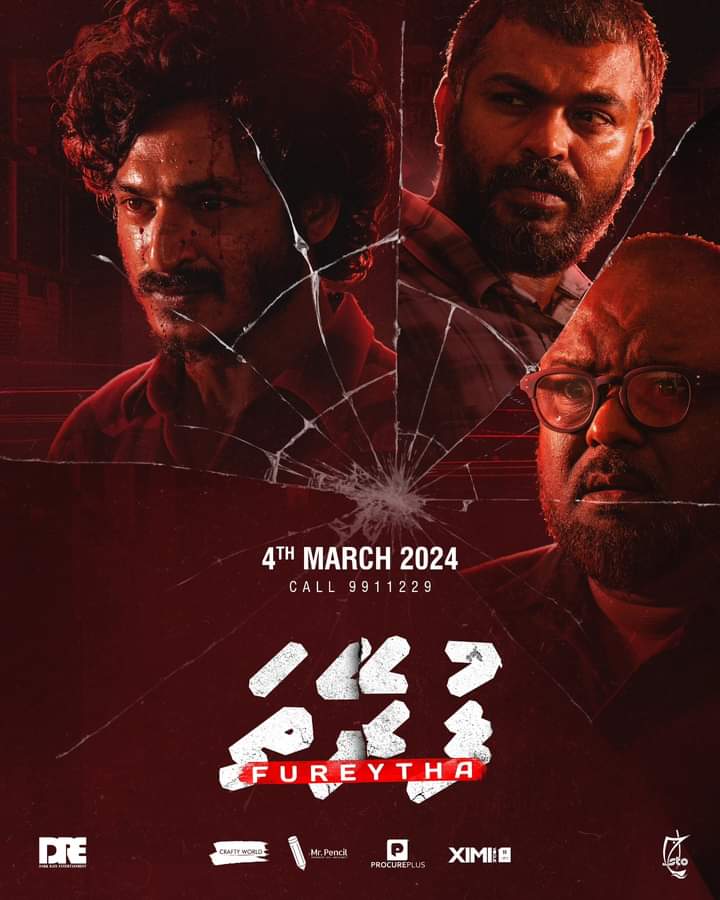
FUREYTHA: From Man to Beast

“Fureytha” presents a bold and unsettling portrayal of societal decay and the individual unraveling of its characters. Set in the crime-ridden streets of Malé City, the movie immerses viewers in the life of an ordinary man who becomes inadvertently embroiled in a gang-related murder. As the protagonist descends into a maelstrom of violence, the film paints a bleak and harrowing picture of a society trapped in its own web of injustice and brutality. Through its unflinching exploration of the darker aspects of human nature and the dire consequences of societal neglect, “Fureytha” confronts viewers with an uncompromising reflection of the precarious state of our society. The raw and daring portrayal of the protagonist’s journey serves as a poignant reminder of the fragile line between order and chaos, challenging audiences to contemplate the fragility of civilization and the consequences of forsaking societal well-being.

Ahmed Tholal, the screenwriter, has demonstrated exceptional finesse in his handling of the intricate narrative landscape in his inaugural solo endeavor. With compelling and incisive prose, Tholal intricately illuminates the pressing and convoluted issue of lawlessness and the prevailing influence of gang culture within our societal fabric. The movie deftly intertwines themes of power, impunity, and the unwavering quest for justice into its tapestry, skillfully prompting audiences to introspect upon the profound and weighty challenges that afflict our collective existence.

Sharaf Abdulla delivers a truly mesmerizing performance as the tortured protagonist, Hussain. He flawlessly portrays a man at war with himself, caught in a storm of violence. The layers of his character unfold through tender interactions with his son and ex-wife, adding a profound emotional depth to the film’s narrative. Sharaf’s ability to express the internal conflicts and external struggles of Hussain is simply exceptional. His portrayal captivates the audience, drawing them into the complexities of Hussain’s world. From subtle nuances to powerful moments, Sharaf’s performance leaves a lasting impression, making him a standout in the film and a talent to watch in the industry.

The portrayal of Ravee Farooq as Zulal, the antagonist, is truly a masterpiece. His performance delves deep into the complexities of the character, presenting a chilling and multi-dimensional depiction that challenges viewers to contemplate the nature of evil. Through Ravee’s masterful portrayal, the audience is compelled to consider whether Zulal’s actions are a product of his environment rather than an inherent evil within him. This adds a thought-provoking layer to the character, sparking conversations about the factors that shape individuals’ behaviors and choices.

Moreover, Ravee’s nuanced portrayal seamlessly weaves into the broader canvas of the film, complementing the skilled strokes of the cinematographer, Ahmed Zifaaf and the director, Ali Shifau. The synergy between Ravee’s performance and the visual storytelling elevates the overall impact of the film, creating an immersive experience for the audience. As the character of Zulal unfolds within the narrative, it becomes evident that Ravee’s dedication to portraying the complexity of the antagonist has contributed significantly to the depth and richness of the storytelling.

Shifau’s directorial prowess is on full display throughout the entire film, demonstrating a keen ability to capture the raw turmoil and underbelly of Malé City in equal measure through the lens of Zifaaf. Each frame is meticulously crafted to convey the complex emotions and depth of the characters, truly bringing the narrative to life. The visual storytelling is as compelling as the gripping plot, immersing audiences in a world that is as fractured as it is frightening. With a masterful blend of visual and narrative elements, the movie ensures a captivating and unforgettable cinematic experience.

Since “Fureytha” received an 18+R rating, it’s important to understand that the inclusion of violence and profanity in this film serves a specific purpose within the narrative. By fearlessly embracing these elements, the film creates a raw and unfiltered portrayal of the realities it seeks to explore. This bold artistic choice not only underscores the authenticity of the storytelling, but also serves as a powerful tool for emphasizing the film’s core message. Nevertheless, it’s crucial to recognize that such explicit content may potentially alienate more sensitive viewers, given its unapologetic nature. This juxtaposition of boldness and potential alienation exemplifies the complex balance that filmmakers often navigate when choosing to incorporate controversial elements in their work.

In conclusion, “Fureytha” is a magnificent piece of cinematic artistry that intricately weaves together a compelling narrative with profound themes. It delves into the heart of societal issues with a delicate touch, compelling viewers to engage in thoughtful reflection. “Fureytha” is an eloquent example of how cinema can serve as a medium for both entertainment and enlightenment, challenging its audience while leaving a lasting impression. Its nuanced exploration of complex topics is a testament to the potency of storytelling in sparking meaningful conversations and fostering a deeper understanding of the world around us.

P.S. While the fight sequences are thrilling, the dance between Sharaf and his son is heartwarming and adds a touch of tenderness to the film.

A NEAT SURPRISE!

When producer/ director, Mohamed Aboobakuru aka Maaenboo asked me to write Neydhen Vakivaakah, I repeatedly requested him that he should take it as a challenge to make it better than all the movies he has done so far. After watching the premiere of the film last night, I am impressed and happy to see that he has risen to the occasion by delivering a pleasantly well-balanced film that the audience thoroughly enjoyed from start to finish. This is his best work to this date by many miles.

Official Poster

Few minutes into the film, I knew the audience was hooked. They had a whale of time reacting to the jokes, the unexpected twists and turns that were unconventional for a romantic drama including some red herrings thrown here and there. Above all the performances by the entire cast kept the audience fully engaged. My wife, my strictest critique from whose feedback I always consider if a film I have written has hit the bullseye, rated it as one of the most delightful screenplays I have written so far. Phew!

As usual, the heavyweight actors, Yoosuf Shafeeu, Fathimath Azeesha, Ahmed Saeed and Arifa Ibrahim were a real treat to watch. The role played by Yoosuf Shafeeu reminded me of his National Award-winning role from Vehey Vaarey Therein but with more contrast, control and maturity.

Fathimath Azeesha played the sympathetic girl next door who has shut herself from any romantic involvement because of a tragic past. She kept her acting believable and straightforward as her character comes out of the shell, goes back in, comes out again only to find that she has much bigger sufferings to confront.

There’s nothing more to be said of Ahmed Saeed. In this film, he once again turned in a memorable performance. This actor can play any given role he is offered with his eyes closed. He has proven how versatile he is by playing completely different characters in three of his films that were released this year.

But it was fashion designer/ choreographer, Jaadhulla Ismail in his first role in a film that surprised everyone. He was very likeable and showed great depth in his acting. He was funny in the first half with his comic timing spot on. He then showed unbelievable restraint in the second half by relying entirely on his acting as he had barely any dialogues to deliver. He understood his character well and was aware of his character arc. I hope he continues to appear in many more films.

Shoutout also goes to Ahmed Azmeel and Naashidha. Their roles were small, but they were essential to the narrative.

I congratulate the entire team for a job well done. Keep up the good work in entertaining the audience.

Cheers!

FEELING LIMITLESS

When my wife, my life long critique who would stop at nothing to cut me up even at the slightest of opportunities cried, I mean not a drop or two but a lot, after watching Hahdhu, then it’s a reason to rejoice. And it also says she’s impressed big time. Her feedback is all that mattered to me.

Though I have boasted about this movie for so long, this post is once again what I felt after watching it from the silver screen. The film was premiered for the media this evening at Schwack Cinema.

17358597_1910106685939773_899352771839415938_o

I am so overwhelmed with excitement and happiness that I don’t know from where to begin. The cast, the crew, I mean every department of this film were outstanding. Period. But I am going to start with newcomer Ahmed Shiban. All eyes were set on him ever since he was cast in the leading role. For me, he has come out with flying colours. He was in his character throughout the film. The way he handled his character’s introvert traits and his slow transition from start to finish was commendable. Surprisingly, he was way too comfortable with the two leading ladies. And more surprising was his emotions were completely different with each lady. As for those six-packs of his, he made the ladies swoon and guys green.

In my previous post, I have mentioned that this film is a tale of two leading ladies. The narrative intercuts between the lives of Yusra and Zamha played to perfection by filmdom’s most sought after actresses, Mariyam Azxza and Aminath Rishfa respectively. Though neither of them shares screen time in the film, they were neck and neck in their performances.

In Hahdhu, Azxza has given a flawless performance in a role that any actor would die for to sink their teeth into. And as Yusra, she bites deep into her character to show a variety of shades from a free-spirited girl without boundaries to a girl who has to in the end draw a boundary around her. She was beyond brilliance, showcasing a range of emotions as she handled her character with aplomb.

As for Rishfa, she is in a stellar form showing her acting abilities that we haven’t seen from her before. She brilliantly portrays the assured life of Yusra while showing the fragilities and volatilities of life when her own comes crumbling down. She allows the audience to go down with her and succumb to her sadness. She made us easily empathise with her character. She also showed great restraint in her acting. This is one stunning performance.

Dhon Ayya keeps raising the bar with each role he plays. In Hahdhu, he shows his vulnerability and his transformation to accept life as a changed person is so believable and very relatable. Another excellent performance by this promising actor. I wish great things happening for him.

After a long hiatus from films, veteran actor Fauziyya Hassan returns to the screen as an over-cautious mother whose life spirals down to the point of no return when her pride is beaten to a pulp. She made my heart shatter into pieces in one of the pivotal scenes where she shows her acting prowess in a long play shot — just magic.

This film is packed with stunning performances from the entire cast, especially by the veteran actors along with Fauziyya. Add to that list, Mohamed Rasheed. He gives a top-notch performance as an understanding father who is also very philosophical. His performance is very controlled yet in his eyes and in his delivery allowed me to sink in with his emotions. This King rules.

Another veteran who shines and almost steals the shows is Arifa Ibrahim. She takes her acting to another level but supports everyone around her to excel with her as well. She does wonders with her one-liners. Truly brilliant.

Mariyam Shakeela is often an overlooked actor, but in Hahdhu, she gives a mesmerising performance. Though she has a few scenes, she allows the audience to understand her character’s inner and outer self, especially in a crucial scene where her transformation is delivered without any dialogue. Well done.

Honourable mention goes to Mariyam Haleem, Aminath Rasheeda and Gulistan for turning in equally great performances as strong independent women we rarely get to see in local films. This is by far their best performances in their careers. Also, I add Najah to the list as boat captain Mohamedbe from whose sympathetic eyes we get to witness the toughest of times that the principal characters go through.

The cute girl who plays the happy daughter of Rishfa takes on an emotionally charged role showing talent beyond her age. Her eyes are so expressive.

Lastly, in the acting department, TV anchor Ahmed Fairooz surprised everyone by bringing his small screen charm and charisma to the big screen with an unbelievable performance. He shows he has acting chops to compete with all the heavyweights of the filmdom. And his comic timing is spot on.

This film wouldn’t be complete without the thought-provoking songs written exclusively for the film’s narrative by Theyra and all the songs performed together with his wife Ashfa. Three cheers to them and the formidable and creative team behind composing and arranging all the songs, including additional vocals to one of my favourite songs, Thaubaa. Ashfa’s haunting vocals to my favourite scene still lingers. Well done, everyone.

On the technical side, kudos to the breath-taking cinematography by Kandi Vishan. Through his lens, he captivates the audience with the beauty of the islands in never-before-seen footages in a local film thus far. This will easily register as his best and his finest of work.

Ju Ma has done an admirable job with makeup changing the actors so smoothly from glamorous to gloomy or vice-versa. He kept his tones and shades properly to the situation his characters were in with every scene. Moreover, his choreography to Giritee Loabin, all I can say is bravo!

When he is given a canvas with creative freedom, whiz kid, Ahmed Sajid has shown his magic in post-production. His editing crisp, well-paced and colour grading looks refreshing. And when his visual effects go unnoticed by the audience, then the job he has done is deemed perfect.

I wasn’t sure when musician Mistee was commissioned to compose the score for this film. But now I don’t see anyone else doing it. His music has given a new life to this film by enhancing the emotions of the actors and tying them directly to the heartstrings of the audience. His build-up to the climax is praiseworthy. He has done wonders and magic in the most pivotal scene of the film. Even as I type this, the goosebumps haven’t subsided. Brilliant work.

The team Hahdhu was made stronger by Umar Ashfaq and Hoodh Ahmed. They were the hard-working production assistants. I congratulate them for a job well done.

I thank with all my heart to Niuma Mohamed and Abdul Fatthaah for producing this film which I wrote some eight years ago for the latter. If not for them, my screenplay would still be lying on the shelf, collecting more dust and cobwebs. Thank you! Thank you!

Finally, cometh the hour, cometh the man. Abdul Fatthaah is the assured captain who sailed and steered this ship to new heights with such a multi-talented cast and a creative crew. In his long journey to bring my screenplay to screen, he inspired everyone in his team to outshine in their respective departments. I salute him for giving up on his old style of film making, and after an absence of two years without directing a film, he returned by revamping himself by applying a very current style of film making for his 12th film of his career. The impact was immediately felt from the opening scene to the final credits. This feels like a film directed by a new director. This, I consider his masterpiece.

This film will go down in the history of Dhivehi cinema as the first film to exhibit with 5.1 surround sound. Now that’s what I call setting benchmarks and developing the local film industry. Kudos to Fatthaah for giving the green signal. Once again it was Mistee who was at the helm of this audacious task along with Sajid at designing and mixing the sound. Their hard work has paid dividends and given this emotional roller coaster ride a thrilling experience. But sadly, the 5.1 surround will only be experienced from the cinemas owned by Schwack.

I hope that the audience will talk about this film even long after watching this film. For me, this film has set a new benchmark. It’s well-paced, well-acted and technically brilliant and also innovative. I congratulate team Hahdhu, and I do look forward to another film from them.

Cheers!