Mahdi Ahmed

Scripting waves of imagination from the sunny side of the Maldives.

Posts tagged ‘movie-review’

KAN’BULO – TRUTH TOLD WITH TENDER BRUTALITY
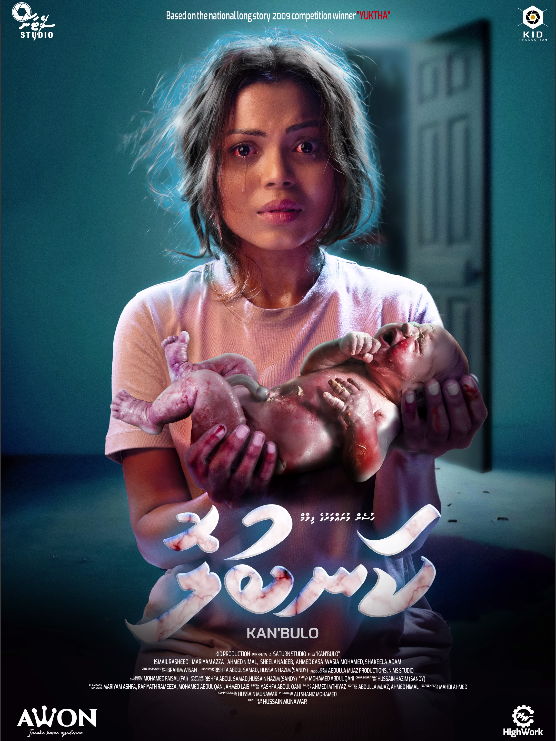
There are films that entertain, films that inspire, and then there are films like Kan’bulo — films that confront. Films that hold your gaze and refuse to blink first. Directed by Hussain Munawwaru, Kan’bulo is not a safe film. It’s a brave, emotionally volatile narrative that pulses with truth — sometimes uncomfortable, often heartbreaking, and always deeply human.

The story traces back to Yuktha, the award-winning long story by Yashfa Abdul Qani. Her delicate yet devastating writing carried the emotional weight that demanded adaptation. Reshaping it for the screen meant preserving its soul while finding a visual rhythm to match its intensity.

At the heart of the film is Mariyam Azza, delivering one of her strongest performances to date. Playing Kan’bulo demands range and endurance, and she handles every moment — from innocence to devastation to resilience — with precision. Even her silences carry meaning.

The ensemble brings depth and texture: Sheela Najeeb with quiet strength, Wasia Mohamed with loyal presence, Shakeela with protective resilience, Ahmed Easa with tenderness, Ahmed Nimal with chilling intensity, and Ismail Rasheed in a performance that feels like a powerful return. Together, they anchor the film’s emotional truth.

The makeup and costume work of Rishfa Abdul Samad and Hussain Hazim (Sandy) supports the characters with subtle authenticity, while Mohamed Faisal (Fai) shapes sound into an emotional undercurrent that lingers. Ahmed Imthiyaz (Inthi) adds music that mourns, observes, and uplifts without ever overwhelming.

Editor Abdulla Muaz, handling both edit and color grading, balances past and present with seamless precision, letting the story flow like fractured memory while keeping the emotions grounded. His work ensures the narrative is coherent yet haunting.

Producer Ali Shaniz deserves recognition for backing a film of such weight, reuniting the trusted team from Kamanaa and giving space for significance over safety.

And at the center, Munawwaru directs with restraint and conviction. He doesn’t exploit pain; he lets it speak. His choices give the film its raw honesty, making it less of a story told and more of an experience endured.

Kan’bulo is not an easy watch, nor was it an easy script to write. But it is necessary. It stares directly at what many would rather look away from — and by the end, neither can we.

Kan’bulo is currently running at Olympus.

DRAGON (2025): A DRAMEDY ON REDEMPTION

“Dragon” (2025) is a Tamil cinematic gem that takes you on an emotional rollercoaster, blending humor, drama, and romance into a narrative that’s both engaging and thought-provoking. Written and directed by Ashwath Marimuthu, this film showcases the journey of D. Raghavan, affectionately known as ‘Dragon,’ portrayed with remarkable depth by Pradeep Ranganathan.

Pradeep masterfully captures the essence of Raghavan, a rebellious college student burdened with 48 arrears, making his journey from academic underachiever to a man confronting his past both believable and deeply engaging. Pradeep’s performance is a harmonious blend of humor and emotional depth, allowing audiences to connect with Raghavan’s struggles and triumphs on a personal level. His nuanced acting ensures that Raghavan’s transformation is not just seen but felt, making this film a truly immersive cinematic experience.

Anupama Parameswaran shines as Keerthi, bringing a nuanced performance that adds layers to the storyline. Kayadu Lohar, as Pallavi, delivers a compelling portrayal that complements the ensemble cast, including notable performances by Mysskin, Gautham Vasudev Menon, and K. S. Ravikumar.

Leon James’ musical score is the soul of the film, perfectly capturing the essence of each scene and elevating the overall experience. The cinematography by Niketh Bommireddy paints each frame with a vibrancy that mirrors the protagonist’s tumultuous journey.

The editing by Pradeep E. Ragav crafts a rhythm that effortlessly shifts from college mischief to heartfelt drama. Each scene flows smoothly, ensuring that even the predictable beats hit just right. It’s as if the cuts know exactly when to hit the gas or slam on the brakes, keeping the film crisp and engaging—solid editing that gives Dragon its cool, modern pulse.

However, what sets “Dragon” apart is the adept screenplay by Marimuthu, blending conventional narrative structures with inventive storytelling techniques. His screenplay seamlessly integrates humor and drama, ensuring that each scene propels the story forward while deepening character development. The strategic placement of comedic elements provides relief without undermining the narrative’s emotional weight. Additionally, the screenplay’s pacing maintains audience engagement, balancing moments of levity with poignant sequences that resonate on a human level.

This film seamlessly weaves a tale of redemption without being preachy. It holds a mirror to society’s pressures and the lengths one might go to overcome personal failures. The film doesn’t shy away from showcasing the protagonist’s flaws, making his redemption arc all the more satisfying.

In essence, “Dragon” is more than just a film; it’s an experience that resonates deeply, reminding us of the power of second chances and the human spirit’s resilience. A must-watch that leaves you reflecting long after the credits roll.

P.S. The poignant scene at the end between Dragon and his father, Dhanapal, portrayed with heartfelt sincerity by George Maryan, is one of the film’s most emotionally charged moments. If that scene doesn’t open your floodgates, then maybe nothing will.

MR. & MRS. MAHI: A CINEMATIC BOUNDARY

Mr. & Mrs. Mahi (2024) is a cinematic innings that hits a six with its unique blend of romance and sports drama. Directed by Sharan Sharma, the film takes the audience on a gripping journey through the lives of Mahendra ‘Mahi’ Agarwal (Rajkummar Rao) and his wife, Mahima ‘Mahi’ Agarwal (Janhvi Kapoor), as they navigate the pitch of life and cricket.

Rajkummar Rao’s portrayal of Mahendra is a standout performance, like a batsman who starts his innings with a series of flawless cover drives. His character, a failed cricketer turned coach, is deeply flawed yet incredibly relatable. Mahendra’s struggle with his insecurities and jealousy is like a bowler facing a tough over, trying to find his rhythm. This internal conflict adds layers to his character, making him the focus of the film’s narrative.

Janhvi Kapoor delivers a knockout performance, displaying her growth as an actress. Her portrayal of Mahima is both nuanced and powerful, much like a cricketer who plays a match-winning innings under pressure. Janhvi brings a refreshing authenticity to her character, capturing Mahima’s determination and vulnerability with equal finesse. Her on-screen presence is magnetic, drawing the audience into Mahima’s journey from an aspiring cricketer to a celebrated player. The emotional depth she brings to her role is commendable, especially in scenes where she grapples with the challenges of balancing her personal and professional life.

Her chemistry with Rajkummar Rao is natural, creating a dynamic partnership that feels like a well-coordinated cricket duo. Janhvi’s ability to convey a wide range of emotions—from joy and excitement to frustration and sorrow—adds depth to her character.

The supporting cast adds significant richness to the film, with standout performances by Kumud Mishra and Zarina Wahab. Kumud Mishra delivers a sincere performance as a father who sees Mahendra as a failure but fails to see his own selfishness mirrored in his son. Zarina Wahab brings warmth and grace to the screen as Mahendra’s mother, serving as the emotional anchor for him, providing unwavering support and encouragement. Wahab’s performance is marked by a gentle yet strong presence, embodying the essence of a mother who enlightens her son in one of the film’s most touching scenes.

The screenplay, written by director Sharan Sharma and Nikhil Mehrotra, is a masterstroke, weaving together the highs and lows of both cricket and personal relationships. The narrative flows seamlessly, much like a well-crafted innings, with each scene building upon the last to create a cohesive and engaging story. The dialogues are sharp and impactful, capturing the essence of the characters’ struggles and triumphs. The screenplay effectively balances the tension of cricket matches with the emotional depth of the characters’ personal lives, making it a compelling watch from start to finish.

The music is the soul of this film, like a well-timed boundary that lifts the spirits of the crowd. The original music, composed by John Stewart Eduri, is both endearing and evocative, perfectly complementing the film’s emotional beats and enhancing the tension and excitement of the cricket scenes, making the audience feel every moment of the game. The music stays with you long after the credits roll, much like a memorable match-winning performance.

Sharan Sharma’s direction is much like a captain leading his team to victory. He brings out the best in his actors, guiding them through complex emotional landscapes with finesse. Sharma’s attention to detail is evident in how he captures the nuances of cricket, from the intensity of training sessions to the thrill of match day. His ability to blend the sport with the characters’ personal journeys is commendable, creating a film that resonates on multiple levels. The pacing is perfect, allowing the story to unfold naturally while keeping the audience hooked.

This is a must-watch for cricket enthusiasts and movie lovers alike.

P.S. The remake of the photo wall in Kumud Mishra’s shop at the end stirred my tear glands.