Mahdi Ahmed

Scripting waves of imagination from the sunny side of the Maldives.

Posts tagged ‘cinema’

IBRAHIM WISAN (KANDI): PAINTING KAN’BULO IN LIGHT AND SHADOW
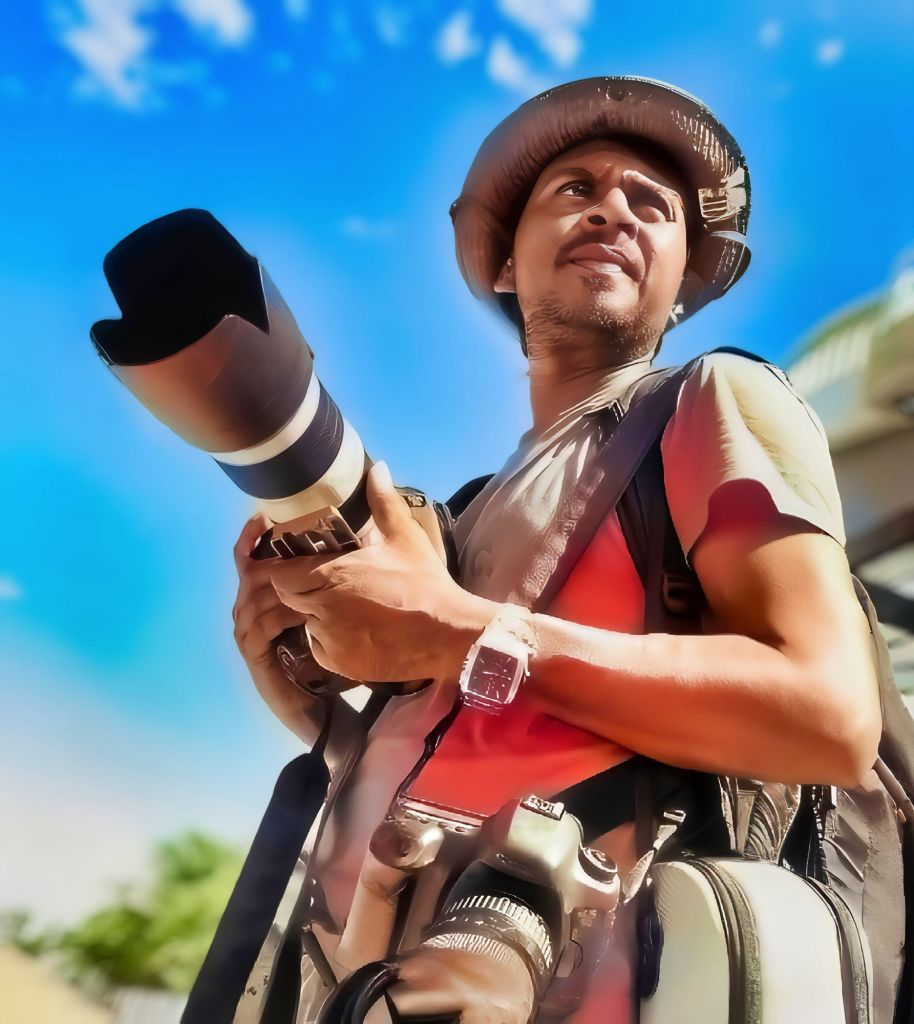
Fresh off directing last year’s family blockbuster Roboman, Kandi returns to his roots behind the camera — not as a director this time, but as the cinematographer of Kan’bulo. His deep understanding of visual storytelling and how cinematography can shape emotional resonance is on full display here. Kan’bulo is a far cry from the lighter, broader appeal of Roboman. It’s a film rooted in silence, restraint, and emotional nuance. It demands sensitivity over spectacle, and Kandi delivers exactly that.

What makes this collaboration even more meaningful is the history Kandi shares with Hussain Munavvaru, the director of Kan’bulo. Few may know this, but Kandi isn’t just Munavvaru’s close relative — he’s also the one who introduced Munavvaru to the world of cinema. It was Kandi who first handed a teenage Munavvaru a camera, sparking the journey that would eventually lead to Munavvaru’s acclaimed directorial career. Before he helmed his breakout debut Sazaa, Munavvaru began his path through cinematography — a path illuminated by Kandi’s guidance.

For Munavvaru, having Kandi serve as cinematographer on Kan’bulo wasn’t just a professional choice; it was the fulfillment of a long-held creative dream. This collaboration feels like a full-circle moment — mentor and mentee reunited, now as equals, crafting a story that demands precision, empathy, and technical restraint.

Kan’bulo isn’t driven by spectacle. It breathes in small spaces, long silences, and fragile emotional landscapes. Kandi’s cinematography reflects that reality. His camera work is defined by discipline and clarity. There’s no unnecessary flourish — only carefully composed frames that serve the emotional architecture of the film. His use of muted palettes, purposeful lighting, and visual contrast to delineate memory from present tense demonstrates his deep understanding of the psychological demands embedded in the story.

As a screenwriter, my responsibility ends with the words on the page. It’s artists like Kandi who elevate those words into visual poetry — translating silence into space, subtext into shadow, and emotion into light. In Kan’bulo, his lens doesn’t demand attention; it simply exists where it needs to, holding every frame with quiet, deliberate weight. I have no doubt the audience will feel the presence of Kandi’s craft in every frame.

Kan’bulo is set to be released on 31 August 2025.

HUSSAIN MUNAWWARU: CRAFTING THE UNSEEN SILENCE OF KAN’BULO

My creative journey with Hussain Munawwaru spans well over a decade. From the brutal realism of Sazaa to the devastating truths of Dhilakani, and more recently the uncomfortable introspection of Kamanaa, our collaborations have always been rooted in a shared commitment to confronting uncomfortable realities through cinema. With Kan’bulo, our fourth project together, Munawwaru’s direction once again proves why he remains one of the most fearless filmmakers working in Dhivehi cinema today.

Kan’bulo began in the wake of Kamanaa’s success — fresh after its theatrical run. Munawwaru handed me a digital copy of Yuktha, the 2009 National Award-winning long story, itself inspired by true events. I finished reading it in a single breathless sitting.

At its core, it was a harrowing account of suffering through the eyes of a 9-year-old. But Munawwaru, in his wisdom and restraint as a responsible storyteller, proposed a crucial shift: the protagonist’s age should be increased to 16 or 17. His reasoning was both artistic and ethical. While Kan’bulo still demands courage from its audience, asking them to endure the discomfort of confronting realities often left unspoken, portraying such trauma through the innocence of a 9-year-old would veer too close to the unbearable for our already conservative audience.

That decision speaks volumes about Munawwaru’s maturity as a filmmaker. He doesn’t flinch from darkness, but he understands the weight of responsibility — knowing when to push, and when to protect. He understands that cinema isn’t just about shock; it’s about resonance. It’s about asking the audience to walk the line with you without turning away in numbness.

What Munawwaru achieves with Kan’bulo is perhaps his most restrained, yet most quietly brutal work to date. Where Kamanaa confronted violence with raw, graphic immediacy, Kan’bulo lingers in the silences. His direction here is defined not by how loudly a scene can speak, but by how deeply it can wound without words. This film doesn’t move on dramatic cues or conventional pacing — it breathes in long pauses, in glances, in the weight of what’s left unsaid. Munawwaru lets the camera observe, unblinking, without interference. In doing so, he allows the audience no escape. They must sit with the discomfort. They must feel the slow erosion of the human spirit unfold.

Technically, Munawwaru continues to refine his visual language — muted palettes, claustrophobic framing, and stillness used as both tension and release. His collaboration with Fai on sound and Inthi on music furthers this precision. But equally vital to shaping the fractured emotional rhythm of Kan’bulo is the meticulous work of Abdulla Muaz, whose editing serves as the narrative’s silent architect. Nothing is there by accident. Every moment feels curated to serve the psychological architecture of the film.

As a screenwriter, I trust few directors to carry the weight of my scripts with the same reverence for subtext and emotional integrity as Munawwaru. He reads beyond dialogue. He listens for what isn’t spoken. He understands that trauma doesn’t always scream; sometimes, it barely whispers. And it’s in that silence where Munawwaru does his most harrowing work.

Kan’bulo is not Kamanaa. It’s a different film with a different pulse. But like every film we’ve created together, it is guided by Munawwaru’s unwavering belief that the stories we tell matter only if they remain true — no matter how difficult they are to watch.

Kan’bulo is set to be released on 31 August 2025.