Mahdi Ahmed

Scripting waves of imagination from the sunny side of the Maldives.

AHMED IMTHIYAZ (INTHI): THE QUIET POWER OF MUSIC IN KAN’BULO
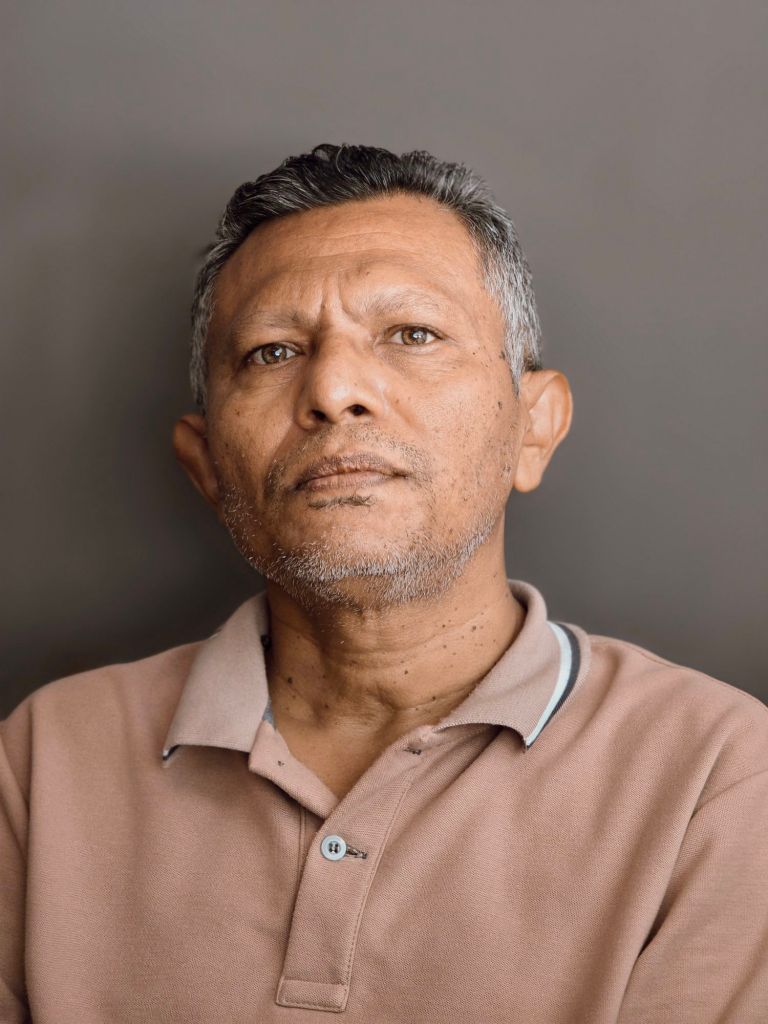
Music in film isn’t always about melody. Sometimes, it’s about breath. Sometimes, it’s about silence stretched between notes. Sometimes, it’s about the invisible — that emotional frequency humming beneath a scene, pulling the audience deeper without them ever realizing why.

For Kan’bulo, I already knew where we were heading emotionally as we built this film. But knowing and hearing are two very different things. And once again, Ahmed Imthiyaz (Inthi) reminded me why music is one of cinema’s most powerful storytellers.

Having worked with last year’s blockbuster Kamanaa, I expected craftsmanship from Inthi. What I wasn’t prepared for was how intimately he would understand the emotional architecture of Kan’bulo. This isn’t a score designed to be noticed. It’s a score designed to be felt — deeply, quietly, with precision. It knows when to linger. It knows when to disappear.

Where Kamanaa was about desire and longing, Kan’bulo walks a far more fragile emotional terrain. Inthi’s compositions are built with restraint, never intruding on the performances, but carefully stitching themselves into the fabric of the film’s atmosphere. His music doesn’t dramatize pain; it respects it. It doesn’t soften the story; it carries it.

As I listened to the score unfold against the rough cut, I realized how often his music felt like a second heartbeat beneath the protagonist’s silence. These aren’t just tracks layered for effect. They are carefully constructed emotional cues — leading, supporting, reflecting. The synergy between the images and Inthi’s compositions creates a haunting resonance that lingers long after the scenes have passed.

Inthi has proven once again that his talent isn’t in composing music alone; it’s in understanding narrative, pacing, and silence as deeply as any screenwriter or director. His work on Kan’bulo brings an invisible depth to the film, shaping moments without stealing focus.

While audiences will see the faces, hear the words, and follow the story, I know they’ll also carry something quieter with them when they leave — the echo of Inthi’s music, still resonating somewhere beneath their skin.

Kan’bulo is set to be released on 31 August 2025.

HUSSAIN MUNAWWARU: CRAFTING THE UNSEEN SILENCE OF KAN’BULO

My creative journey with Hussain Munawwaru spans well over a decade. From the brutal realism of Sazaa to the devastating truths of Dhilakani, and more recently the uncomfortable introspection of Kamanaa, our collaborations have always been rooted in a shared commitment to confronting uncomfortable realities through cinema. With Kan’bulo, our fourth project together, Munawwaru’s direction once again proves why he remains one of the most fearless filmmakers working in Dhivehi cinema today.

Kan’bulo began in the wake of Kamanaa’s success — fresh after its theatrical run. Munawwaru handed me a digital copy of Yuktha, the 2009 National Award-winning long story, itself inspired by true events. I finished reading it in a single breathless sitting.

At its core, it was a harrowing account of suffering through the eyes of a 9-year-old. But Munawwaru, in his wisdom and restraint as a responsible storyteller, proposed a crucial shift: the protagonist’s age should be increased to 16 or 17. His reasoning was both artistic and ethical. While Kan’bulo still demands courage from its audience, asking them to endure the discomfort of confronting realities often left unspoken, portraying such trauma through the innocence of a 9-year-old would veer too close to the unbearable for our already conservative audience.

That decision speaks volumes about Munawwaru’s maturity as a filmmaker. He doesn’t flinch from darkness, but he understands the weight of responsibility — knowing when to push, and when to protect. He understands that cinema isn’t just about shock; it’s about resonance. It’s about asking the audience to walk the line with you without turning away in numbness.

What Munawwaru achieves with Kan’bulo is perhaps his most restrained, yet most quietly brutal work to date. Where Kamanaa confronted violence with raw, graphic immediacy, Kan’bulo lingers in the silences. His direction here is defined not by how loudly a scene can speak, but by how deeply it can wound without words. This film doesn’t move on dramatic cues or conventional pacing — it breathes in long pauses, in glances, in the weight of what’s left unsaid. Munawwaru lets the camera observe, unblinking, without interference. In doing so, he allows the audience no escape. They must sit with the discomfort. They must feel the slow erosion of the human spirit unfold.

Technically, Munawwaru continues to refine his visual language — muted palettes, claustrophobic framing, and stillness used as both tension and release. His collaboration with Fai on sound and Inthi on music furthers this precision. But equally vital to shaping the fractured emotional rhythm of Kan’bulo is the meticulous work of Abdulla Muaz, whose editing serves as the narrative’s silent architect. Nothing is there by accident. Every moment feels curated to serve the psychological architecture of the film.

As a screenwriter, I trust few directors to carry the weight of my scripts with the same reverence for subtext and emotional integrity as Munawwaru. He reads beyond dialogue. He listens for what isn’t spoken. He understands that trauma doesn’t always scream; sometimes, it barely whispers. And it’s in that silence where Munawwaru does his most harrowing work.

Kan’bulo is not Kamanaa. It’s a different film with a different pulse. But like every film we’ve created together, it is guided by Munawwaru’s unwavering belief that the stories we tell matter only if they remain true — no matter how difficult they are to watch.

Kan’bulo is set to be released on 31 August 2025.
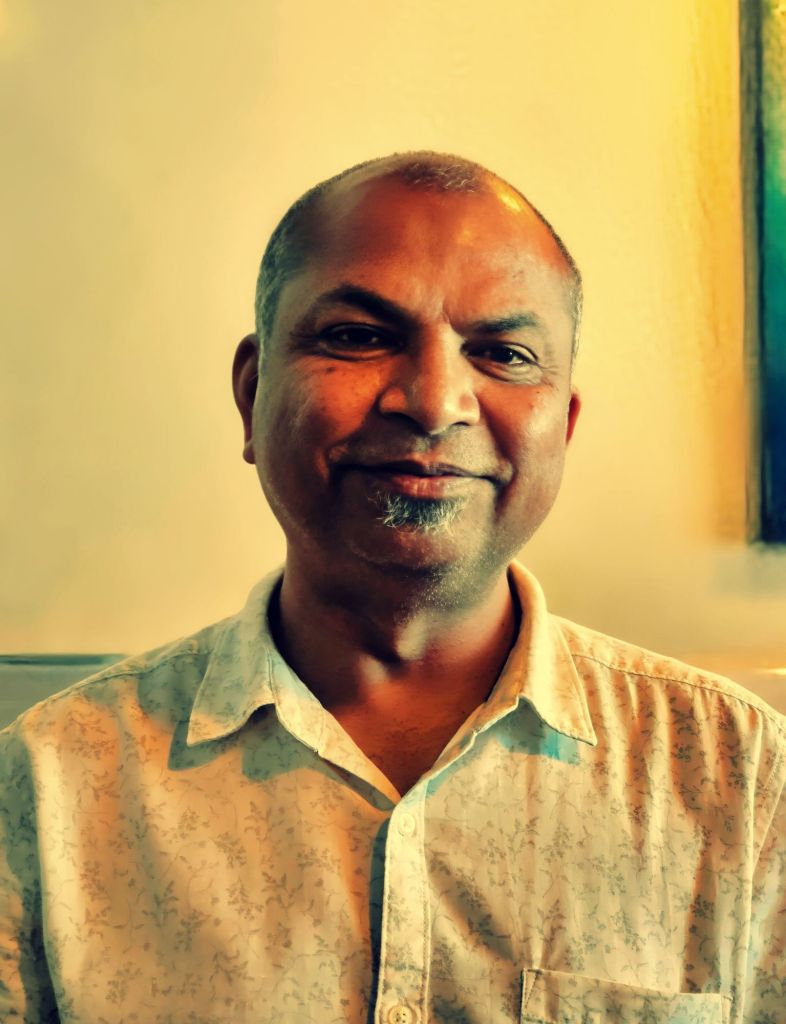
KAN’BULO: A TRAILER THAT LEAVES NO ROOM FOR ESCAPE

There’s a kind of silence in cinema that isn’t empty. It lingers. It presses down. It forces the audience to confront things they would rather not. With the release of the official trailer for Kan’bulo, that silence now belongs to us.

Watching this trailer unfold, even though I know the story inside out, I found myself holding my breath — not because of what it shows, but because of what it dares to suggest. This is not a film that chases spectacle. It chases truth. And it doesn’t ask for permission.

What strikes me most from a technical and structural perspective is how deliberately the trailer mirrors the film’s emotional architecture. It begins with tenderness, shifts into unease, and descends — not with melodrama, but with precision — into something far more suffocating. Director Hussain Munawwaru’s vision is clear: this is a story about the quiet destruction that happens behind closed doors, the kind of suffering that society often overlooks until it’s too late. The trailer reflects that ethos with restraint, leaving just enough unsaid to force the audience into those uncomfortable gaps.

From the trailer alone, the performances speak volumes, even in fragments. Mariyam Azza, in the titular role of Kan’bulo, carries a haunting vulnerability that’s impossible to look away from. In just a few glimpses, her embodiment of pain, fear, and defiance cuts deep. Sheela Najeeb’s restrained but devastating presence adds a maternal weight that lingers. Ismail Rasheed, with his trademark intensity, dominates his scenes with quiet menace and authority. Ahmed Easa, Wasia Mohamed, Shakeela, and Ahmed Nimal each bring a lived-in truth to their characters — even from these brief moments, you sense the years of pain, resilience, and buried secrets these roles demand. These are not performances built on spectacle; they are performances built on humanity, on raw emotional honesty, and on the quiet devastation of survival.

From a screenwriting standpoint, seeing this trailer gives me a sense of quiet satisfaction — it captures the essence of why I wrote it. Kan’bulo was never about shock value. It was about honesty. About confronting a truth that refuses to stay silent any longer.

And then there’s that ending — the harrowing wail of Kan’bulo’s newborn, piercing through the silence, rising with unbearable weight until it amplifies and collapses into the film’s haunting title. It’s a sound that stays with you, a cry that speaks not only for the newborn but for every unspeakable pain that has been buried beneath silence. The final post-title shot, with Kan’bulo weeping, her voice breaking as she cries out to her father in the background, “I would never sin,” leaves no doubt about the depths this story is prepared to explore. It’s a moment not designed for shock, but for reflection — and it lands with devastating clarity.

I believe this trailer has done exactly what it needed to do. It doesn’t offer easy answers. It invites questions. And it demands we listen — even when it’s uncomfortable. Because some stories don’t shout to be heard. Some stories whisper… and leave us haunted.

Kan’bulo is set to release on 31 August 2025

MOHAMED FAISAL (FAI): THE SOUND BENEATH THE SILENCE OF KAN’BULO

In cinema, sound isn’t simply heard — it’s felt. It guides the audience’s breath, sharpens their senses, and often tells the story in ways no image can. Once again, I’m privileged to witness the genius of Mohamed Faisal (Fai), the sound designer behind last year’s blockbuster Kamanaa, as he returns to craft the soundscape for Kan’bulo.

Kan’bulo demands a very different kind of auditory world than Kamanaa. Where Kamanaa was driven by tension and unspoken desire, Kan’bulo is a story that breathes through silence, restraint, and emotional undercurrent. It’s not about noise — it’s about what remains when noise falls away. And this is where Fai excels. He understands that in a film like this, sound is not decoration — it’s atmosphere, it’s memory, it’s trauma.

Fai approaches sound design like a screenwriter approaches subtext. It’s about what’s beneath the surface. His work on Kan’bulo is precise, intentional, and deeply connected to the emotional landscape of the characters. From ambient textures that create unease to the softest moments of isolation and tenderness, his choices enhance the narrative without overshadowing it. His sound is a companion to the story’s silence — sometimes filling it, sometimes deepening it.

What sets Fai apart, once again, is his commitment to ensuring that sound doesn’t merely accompany the film but interacts with it. He designs with emotion in mind, sculpting spaces where the audience is pulled deeper into the psychological states of the characters without even realizing it. This isn’t sound that demands attention; this is sound that shapes experience.

Working again with the advanced surround sound system at Olympus Theatre, Fai continues to push the boundaries of what’s possible in Dhivehi cinema. His dedication to elevating the technical craft of our industry is matched only by his instinct for storytelling. He understands that sound, at its best, is invisible but unforgettable.

As we prepare for Kan’bulo’s release, I am once again reminded that a story’s impact isn’t just what’s seen on screen — it’s also what lingers in the silence after the credits roll. With Fai behind the sound, I have no doubt the audience will feel every moment, even long after they’ve left the theatre.

Kan’bulo is set to be released on 31 August 2025.

MARIYAM AZZA: BECOMING KAN’BULO

As a screenwriter, you live inside your characters long before anyone else does. You know their breath, their silences, their breaking points. You hear their words before they’re spoken — and sometimes, you wonder if any actor can truly become what you’ve imagined.

But then—fresh off two back-to-back blockbusters—superstar Mariyam Azza steps into the skin of Kan’bulo. The rest, as they say, is history.

Having just watched a rough cut of Kan’bulo, I’m still struggling to find words that match what I witnessed. Azza doesn’t just play Kan’bulo — she becomes her. Frame after frame, she dissolves into this underage girl confronting unthinkable suffering far beyond her years. It’s not just a performance — it’s a haunting possession of pain, fear, shame, defiance, and above all… truth.

From the first page of the script, I knew this character demanded an actor who could navigate delicate psychological territory with absolute control. There were moments with no dialogue, only silence and stillness — and Azza delivered them with quiet ferocity. Every micro-expression — a quiver in the jaw, a distant gaze, the way her shoulders drop when no one’s looking — landed exactly where I wrote it… and often, better than I wrote it.

She doesn’t overplay trauma. She doesn’t seek your sympathy. Instead, she does what great actors do — she makes you feel everything without asking for your permission.

What Azza achieves in Kan’bulo is an evolution from her phenomenal performance in Kamanaa. That film showed her range. Kan’bulo reveals her depth. She dives into raw emotional states and emerges with something painfully beautiful.

There’s a heartbreaking scene deep in the third act — one of the emotional pivots of the entire film — where the past comes crashing into the present, forcing Kan’bulo to confront something she had long buried. It’s a moment of reckoning, of raw realization, and watching Azza deliver it left me breathless. The way she processes that tidal wave of guilt, confusion, and heartbreak — without a single false note — was nothing short of extraordinary. A single glance, a stifled breath, the trembling silence between her words… she made that scene hurt. And in doing so, she elevated a page I had wrestled with for weeks into something that now feels unforgettable.

It’s rare for a screenwriter to feel seen — word for word, emotion for emotion. But Mariyam Azza saw Kan’bulo. And through her, I believe the world will too.

Kan’bulo is set to be released on 31 August 2025.
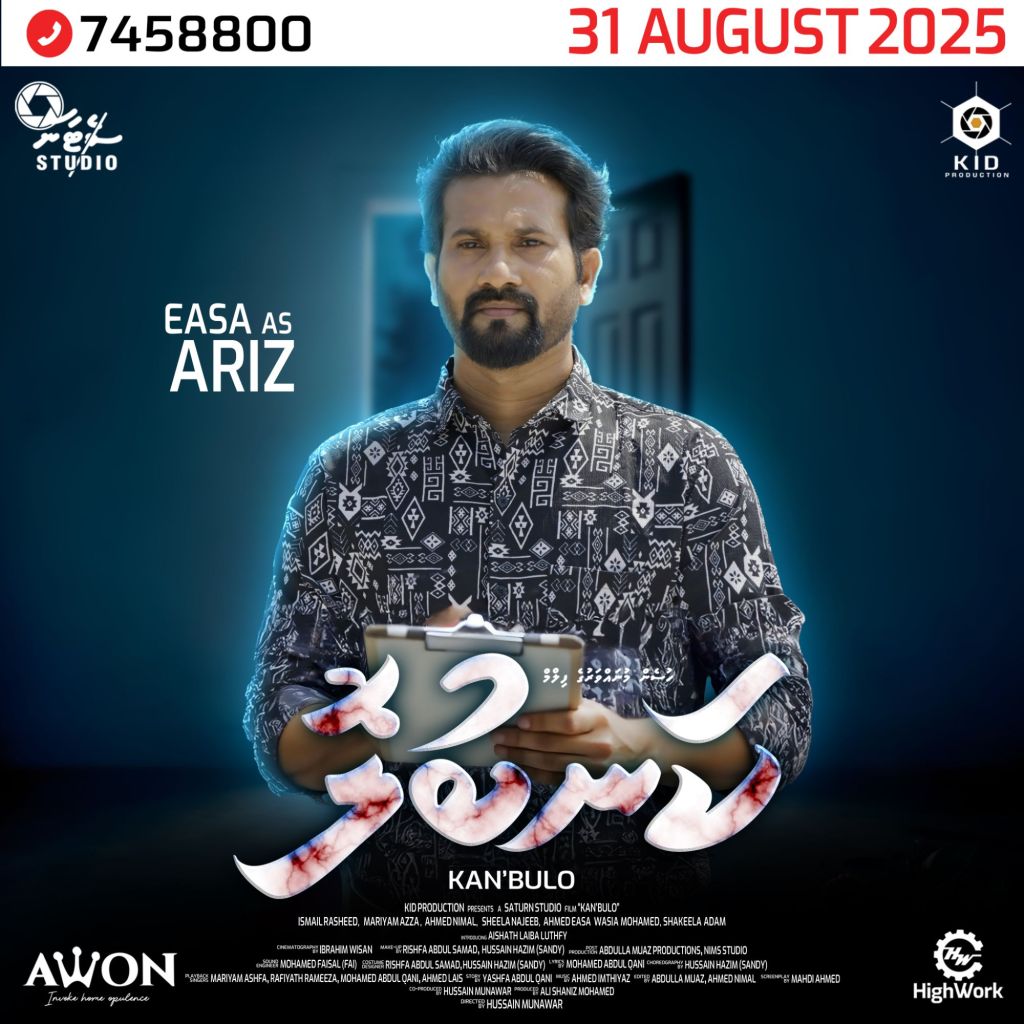
AHMED EASA: THE QUIET STORM BEHIND ARIZ

As a screenwriter, you sometimes write a character who speaks more through silence than words—whose weight lies not in dialogue, but in what’s left unsaid. Ariz was one of those characters. A man pieced together by betrayal and the cautious rediscovery of love, Ariz required not just performance, but restraint. And Ahmed Easa, in my view, is one of the few actors in this industry who could have walked that emotional tightrope without tipping into melodrama.

Easa is, without question, the most underrated actor working today. But that’s precisely because he never overreaches. He underplays. He listens. He breathes between lines. He reacts like a man carrying history—and that’s exactly what Ariz was written to be.

What moved me most was his complete commitment. For the flashback sequences, he physically transformed himself to portray a younger, more hopeful Ariz. It wasn’t for vanity or surface-level impact—it was to truthfully embody a man suspended between two timelines: one touched by innocence, the other haunted by betrayal.

When we watched the rough cut, there were moments where Easa didn’t move a muscle—yet he conveyed everything I had written in subtext. That’s rare. That’s craft.

I’ve written roles for many performers over the years. But with Ahmed Easa, I experienced what every screenwriter dreams of: the feeling that someone out there truly read between the lines.

If Kan’bulo manages to break hearts, much of it will be because of the man who stood quietly at the center of it all.

Kan’bulo is set to release on 31 August 2025.

WASIA MOHAMED: THE STRENGTH OF SILENT LOYALTY

As screenwriters, we often craft characters who serve as mirrors — reflections of resilience, of quiet strength, of the loyalty that endures even when it fractures under its own hidden weight. In Kan’bulo, that mirror is Maree. And bringing her to life with sincerity and depth is the talented Wasia Mohamed, a young actor whose performance has exceeded every expectation.

Maree’s character was always designed to walk a delicate line. On the surface, she is the steadfast friend — the one who remains when others fade, the one who stands shoulder-to-shoulder with Kan’bulo even when the world feels impossible. But beneath that loyalty is complexity. Maree carries layers the audience may not see at first glance — contradictions, internal struggles, and choices born from survival. These dimensions required an actor who could convey strength without bravado, vulnerability without overt displays of weakness. Wasia brought precisely that.

What struck me most while watching the dailies and the rough cut is Wasia’s understanding of emotional rhythm. She knows when to hold back. She knows when to let the cracks show. And more importantly, she understands that Maree’s impact is not in dramatic declarations but in her presence — her being there, quietly, consistently, even when it costs her something.

From a writing perspective, Maree is a vital piece of the film’s emotional architecture. She softens the darkness while never being spared from it. Watching Wasia step into this role with such maturity and nuance affirms why emerging talents deserve space in stories like this. Her work doesn’t demand attention; it earns it, moment by moment, scene by scene.

In Kan’bulo, loyalty and friendship aren’t written as easy. They’re written as choices — and Wasia Mohamed reminds us, through Maree, just how powerful those choices can be.

Kan’bulo is set to be released on 31 August 2025.

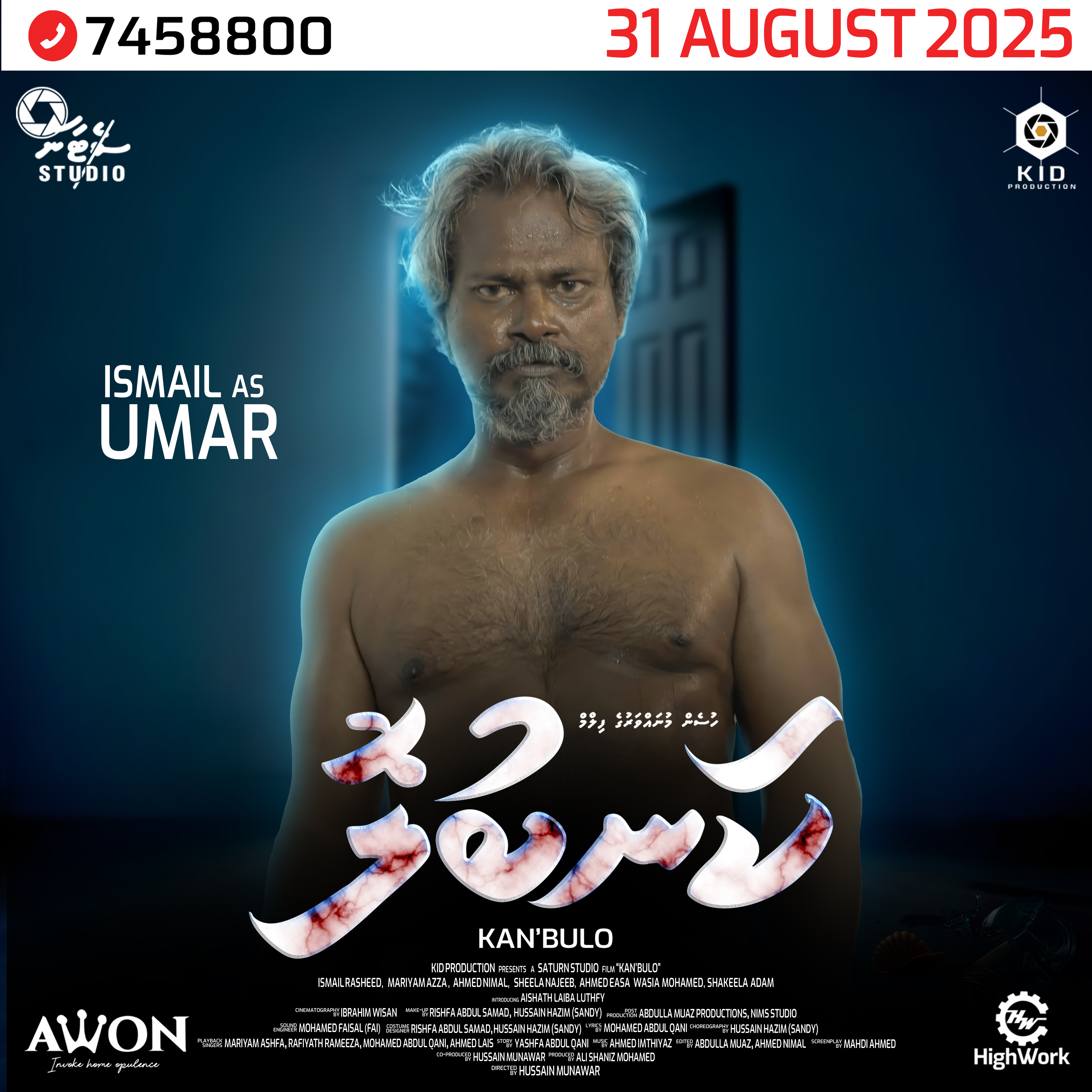
ISMAIL RASHEED: A MASTERCLASS IN PRECISION

Some collaborations in this industry aren’t born from coincidence — they’re built through trust, craft, and a shared commitment to storytelling that challenges both the artist and the audience. My journey with Ismail Rasheed goes back over a decade, to 2013’s Ingili — a film that, at the time, was considered experimental for Maldivian cinema. It was a project I wrote and produced alongside Munawwaru and Ravee, and it marked a milestone for all of us. Ingili became the first Dhivehi film to receive international recognition, earning a Bronze Award while Ismail Rasheed took home Best Actor for a performance that redefined expectations of psychological tension on screen.

Fast forward to Kan’bulo, and once again, Ismail Rasheed proves why he remains one of the most versatile and consistently brilliant actors working today. His role as Umarbe may seem quieter on the surface, but like many of the characters in this film, it’s not about volume — it’s about precision. About knowing when to hold back and when to let a crack of emotion bleed through. That level of restraint isn’t taught. It’s earned through years of honing one’s instincts.

As a screenwriter, working with an actor like Ismail Rasheed is both a privilege and a rare alignment of intent. He understands nuance. He understands rhythm. And most importantly, he understands the unsaid — the spaces between the lines where real character work lives. Watching the dailies and rough cut of Kan’bulo, it’s clear he approaches this role with the same dedication to detail and truth that earned him accolades in Ingili. He shapes scenes through posture, silence, and the subtlest shifts in gaze — choices that don’t announce themselves, but leave an undeniable impact.

What I admire most about Ismail Rasheed is that he never approaches a role as “just another character.” Whether in a psychological thriller like Ingili or a deeply human drama like Kan’bulo, he fully inhabits the emotional architecture of the story. He’s an actor who brings gravity to every frame, reminding us why storytelling matters in the first place.

For me, this collaboration isn’t just professional. It’s a continuation of a creative conversation we began years ago — one rooted in respect for the craft and a shared belief in the power of honest, unflinching cinema.

Kan’bulo is set to be released on 31 August 2025.
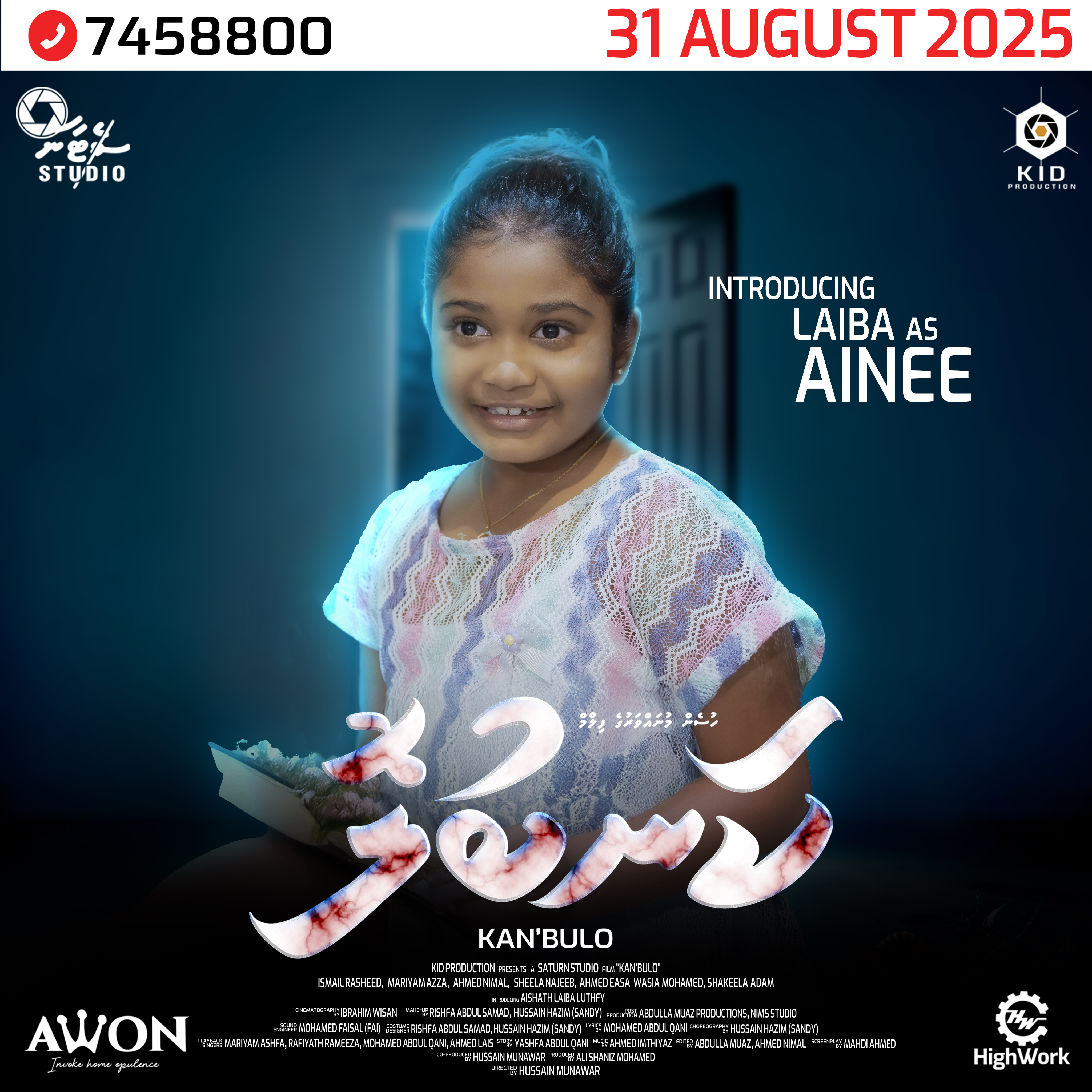
LAIBA: THE LIGHT IN THE DARK

As a screenwriter, you often write characters knowing they serve as emotional anchors for the story. Sometimes it’s not the protagonist, nor the antagonist, but a quiet presence — a small yet vital light that reminds everyone, including the audience, what is still worth holding onto. In Kan’bulo, that light is Ainee. And bringing her to life is the young and incredibly talented Laiba.

Laiba’s portrayal of Ainee goes beyond simply playing a child on screen. She brings an authenticity and warmth that is rare, even among seasoned actors. In a story shaped by silence, grief, and healing, her innocence doesn’t just soften the narrative — it sharpens its emotional impact. She makes us believe in hope without forcing it. She becomes the pulse of gentleness within a world weighed down by pain.

What impressed me most, as I watched the dailies and the early cuts, was her natural understanding of emotional rhythm. She listens in scenes. She reacts honestly. There’s no artificial sweetness in her performance — only truth. Her interactions with the cast bring out dimensions in their performances that even I, as the writer, hadn’t fully anticipated.

Writing Ainee was my attempt to thread hope through a heavy narrative. Seeing Laiba embody that hope so effortlessly is a reminder that sometimes, the smallest characters carry the greatest emotional weight.

Laiba’s Ainee doesn’t just brighten scenes. She lifts the film.

Kan’bulo is set to be released on 31 August 2025.
MARIYAM SHAKEELA: THE WEIGHT OF COMPASSION

Writing Kan’bulo was, from the very beginning, a study in contrasts — silence and screams, darkness and light, survival and surrender. Among the constellation of characters, there is one figure who quietly becomes the lighthouse in this storm: Zaheena, portrayed with absolute depth and dignity by the legendary Mariyam Shakeela.

What makes Zaheena essential to this story isn’t simply her relationship to the protagonist. It’s the emotional function she serves within the structure of the screenplay. She is the still point in a world spinning out of control. She is not reactive but grounded. Where others in the narrative waver, she holds steady — and in doing so, carries more emotional weight than she will ever speak aloud.

Shakeela brings to Zaheena a quiet ache beneath her strength, a heaviness in her presence that only seasoned actors can deliver with such restraint. It’s not what she says; it’s what she allows herself to carry between the lines. That is a difficult thing to write. It’s even harder to perform. Yet Shakeela moves through this role as though she’s been living with Zaheena’s quiet burden long before the cameras rolled.

Watching her in the dailies and the rough cut, I was struck by how often she anchors a scene without a single dramatic flourish. She listens. She absorbs. She reacts with precision. It’s a masterclass in subtext-driven performance. Her warmth isn’t soft — it’s forged from experience. Her compassion isn’t theatrical — it’s survival.

As a writer, Zaheena was always meant to symbolize hope, resilience, and the unseen cost of bearing witness to pain over time. Shakeela embodies this with a grace that elevates everyone who shares the frame with her.

Kan’bulo is a story about survival. But without Zaheena, it would lack the humanity that makes survival possible.

Kan’bulo is set to be released on 31 August 2025.